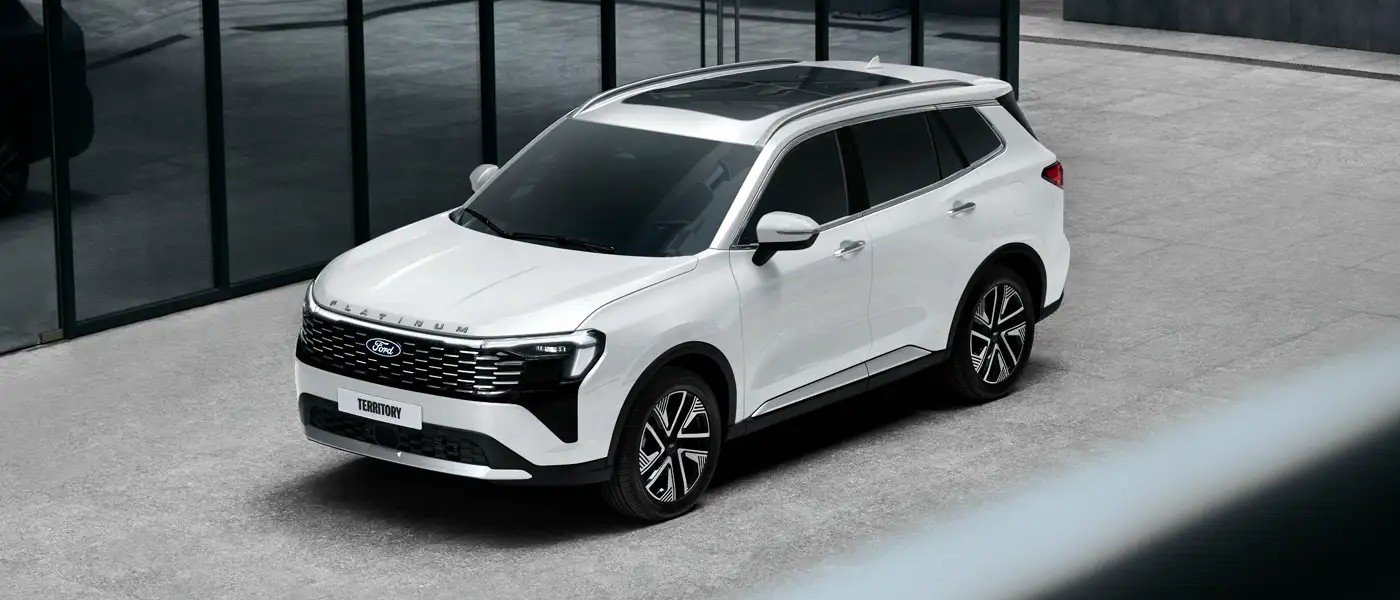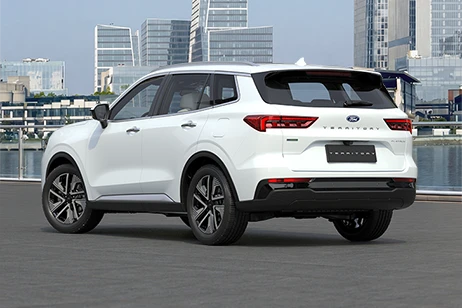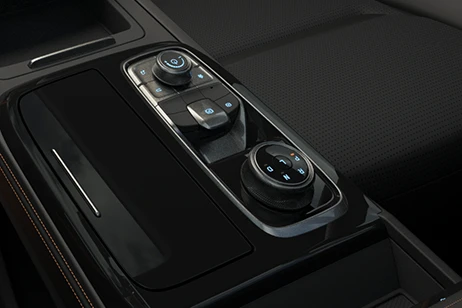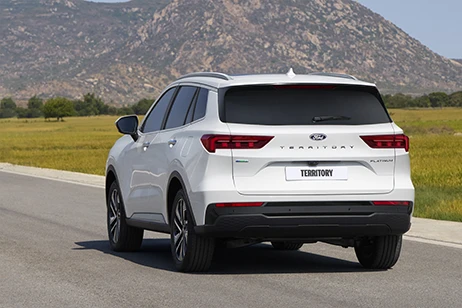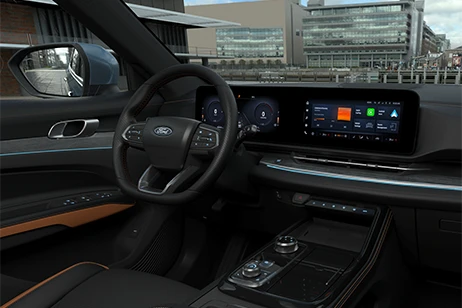
Territory Trend
Giá bán: 739.000.000 VNĐ
Why High Stakes Betting Culture Has Grown in the UK, Explored by Betzella
The United Kingdom has long maintained one of the most mature and heavily regulated gambling markets in the world, yet paradoxically it has also become a hotbed for high-stakes betting activity. Over the past two decades, a combination of regulatory evolution, shifting consumer demographics, digital infrastructure, and cultural attitudes toward risk has created conditions in which large-wager gambling has not only persisted but actively expanded. Understanding why this has happened requires looking beyond surface-level explanations about greed or addiction and examining the structural, economic, and social forces that have shaped the market.
The Regulatory Framework That Enabled Scale
The Gambling Act 2005 was a watershed moment for the UK betting industry. Prior to its passage, the regulatory environment was fragmented, with laws dating back to the Betting and Gaming Act of 1960 still governing much of the sector. The 2005 Act consolidated oversight under what would become the Gambling Commission, established in 2007, and crucially liberalised advertising restrictions that had previously kept gambling largely out of mainstream media. From 2007 onward, bookmakers could advertise on television before the watershed, sponsor football clubs and broadcast events, and market directly to consumers in ways that had been structurally impossible before.
This liberalisation did not specifically target high-stakes bettors, but it had the effect of normalising gambling as a leisure activity across income brackets. As the general market grew, so did the premium segment. Operators began segmenting their customer bases more deliberately, identifying high-value players — sometimes called VIPs — and offering them tailored services including higher deposit limits, dedicated account managers, and bespoke odds. The Gambling Commission’s own data from 2019 estimated that VIP customers, who represented roughly 0.5% of active online gamblers, accounted for approximately 20% of operator revenues in some categories. That concentration of value in a small segment incentivised operators to compete aggressively for high-stakes customers.
The regulatory response came later and unevenly. The Commission introduced new rules on VIP schemes in 2020, requiring operators to conduct enhanced affordability checks before offering inducements to high-value players. These changes reduced some of the more exploitative practices, but they did not eliminate high-stakes betting itself. Instead, they pushed more sophisticated bettors toward platforms with cleaner compliance records and, in some cases, toward offshore operators outside the Commission’s jurisdiction.
Cultural and Economic Drivers Behind Large-Wager Behaviour
Regulation explains the infrastructure, but it does not fully explain demand. The growth of high-stakes betting culture in the UK also reflects broader shifts in how risk, wealth, and entertainment intersect for certain demographics. The expansion of financial services in London from the 1980s onward created a professional class with both disposable income and a high tolerance for calculated risk. Traders, fund managers, and entrepreneurs who regularly made decisions involving large sums found that sports betting offered a form of intellectually engaging risk-taking outside working hours. This was not gambling in the sense of uninformed chance — many high-stakes bettors approach their activity analytically, using statistical models, historical data, and market inefficiencies in much the same way a professional investor might.
The poker boom of the early 2000s also played a formative role. Televised poker, particularly the World Poker Tour and the explosive growth of the World Series of Poker following Chris Moneymaker’s 2003 victory, introduced a generation of UK viewers to the idea that gambling could be a skill-based pursuit with serious financial stakes. Online poker platforms like PokerStars and PartyPoker attracted millions of UK players during the mid-2000s, and a subset of those players migrated to sports betting and casino products as poker’s regulatory and competitive landscape shifted. The habits formed during that era — careful bankroll management, expected value thinking, comfort with large swings — persisted and influenced how a cohort of bettors engaged with the broader market.
Football betting deserves particular mention. The UK’s deep cultural relationship with football created a natural vehicle for high-stakes wagering. The Premier League’s global profile, combined with the volume and accessibility of betting markets available on matches, made football the dominant sport for serious bettors. The emergence of in-play betting, which became standard after around 2008, significantly increased the ceiling for sophisticated wagering because it allowed bettors to respond to live information rather than committing to pre-match positions alone. Resources like https://betzella.com/high-stakes-betting/ reflect how the discourse around high-stakes sports wagering has matured, with detailed analysis now accompanying what was once a more instinct-driven activity.
The Digital Transformation and Its Effect on Betting Limits
The shift from high-street bookmakers to online platforms fundamentally altered the economics of high-stakes betting. Physical betting shops operated under practical constraints: a cashier could refuse a bet, limits were posted on boards, and the social dynamics of a public space created informal friction around very large wagers. Online platforms removed most of that friction. Accounts could be funded instantly via bank transfer or e-wallet, bets could be placed at any hour, and the anonymity of digital interaction meant that large stakes attracted less social scrutiny.
Exchange betting, pioneered by Betfair after its launch in 2000, was particularly significant. Unlike traditional bookmakers, exchanges match bettors against each other rather than against the house, which means the platform has no direct financial interest in limiting winning customers. A bettor who consistently wins on a traditional bookmaker will typically find their account restricted or closed — a well-documented practice known in the industry as “gubbing.” On an exchange, large and successful bettors are actually desirable because they provide liquidity. This structural difference made exchanges the natural home for serious high-stakes activity, and Betfair’s growth through the 2000s effectively created a parallel ecosystem where sophisticated bettors could operate at scale without facing the account restrictions that plagued them elsewhere.
The growth of cryptocurrency and digital payment infrastructure has added another dimension in more recent years. While the Gambling Commission requires licensed operators to comply with anti-money-laundering regulations, the speed and relative ease of large digital transfers has lowered the practical barriers to moving significant sums into and out of betting accounts. Betzella and similar analytical platforms have documented how the profile of high-stakes bettors has shifted accordingly, with younger, digitally native participants entering the space alongside the older cohort that grew up with traditional bookmaking.
The Role of Sports Integrity and Market Sophistication
High-stakes betting does not exist in isolation from the sports it covers. As wagering volumes have grown, so has the sophistication of the relationship between betting markets and sporting events. The Sports Betting Integrity Forum, established in the UK to facilitate information sharing between operators, regulators, and sports governing bodies, reflects official recognition that large-scale betting creates both opportunities and risks for sport. When significant money moves on a particular outcome, it can signal insider information or, in worst cases, match manipulation. Monitoring those signals requires the kind of data infrastructure that only exists because betting volumes are large enough to make it worthwhile.
Conversely, liquid high-stakes markets produce more accurate odds. The efficient market hypothesis, borrowed from financial economics, applies with reasonable fidelity to well-traded betting markets: when many informed participants are wagering large amounts, the resulting prices tend to reflect genuine probabilities more accurately than thin markets dominated by recreational bettors. This dynamic has made UK betting markets a reference point for sports analysts and even some academic researchers studying probability and forecasting. Studies published in journals including the Journal of Prediction Markets have used Premier League betting data precisely because the market depth created by high-stakes activity produces statistically meaningful signals.
Betzella’s coverage of high-stakes betting culture acknowledges this dual nature — the market is simultaneously a commercial ecosystem, a risk environment for vulnerable individuals, and a genuinely interesting laboratory for probability and decision theory. The ongoing regulatory debate in the UK, which intensified with the government’s review of the Gambling Act culminating in the 2023 White Paper, reflects the difficulty of holding all those dimensions in view simultaneously. The White Paper proposed affordability checks that would apply to customers losing more than £125 in a rolling 30-day period, a threshold that many industry observers argued was set too low to target genuinely problematic high-stakes behaviour without catching ordinary recreational gamblers in its net.
The growth of high-stakes betting culture in the UK is not a simple story of permissive regulation enabling harmful excess, nor is it a straightforward tale of rational market participants operating efficiently. It is the product of decades of overlapping forces: a liberalised legal framework that created commercial incentives, a cultural moment in the early 2000s that normalised analytical gambling, a digital revolution that removed practical barriers to large-wager activity, and an economic environment that produced a class of consumers comfortable with significant financial risk. The challenge for regulators, operators, and the industry’s many observers is to engage with that complexity honestly rather than reducing it to either moral panic or uncritical celebration.
Động cơ & Hộp số
Xăng 1.5L EcoBoost tăng áp, I4; Phun xăng trực tiếp
Công suất cực đại: 160 (118 kW) / 5.400 ~ 5.700 rpm
Mô men xoắn cực đại: 248Nm / 1500-3500 rpm
Số tự động 7 cấp
Chế độ lái tùy chọn
Trợ lực lái điện
Kích thước
Dài x Rộng x Cao (mm): 4.685 x 1.935 x 1.706
Khoảng sáng gầm xe (mm): 190
Chiều dài cơ sở (mm): 2726
Bán kính vòng quay tối thiểu (mm): 5.680
Hệ thống dẫn động
Dẫn động một cầu / 4×2
Bánh xe
Mâm xe hợp kim 18 inch
Khoang lái
Bảng đồng hồ tốc độ 7 inch
Điều hoà nhiệt độ tự động 2 vùng khí hậu
Khởi động bằng nút bấm với Chìa khóa thông minh
Hệ thống thông tin giải trí
Màn hình giải trí trung tâm cảm ứng 12,3 inch
Kết nối không dây với Apple CarPlay® và Android AutoTM
Hệ thống âm thanh 6 loa với hiệu ứng âm thanh vòm
Ghế ngồi
Ghế da Vinyl
Ghế lái chỉnh điện 10 hướng
Các trang bị khác
04 túi khí
Camera lùi
Hệ thống Kiểm soát hành trình
Hệ thống Kiểm soát áp suất lốp TPMS
Cảm biến sau hỗ trợ đỗ xe
Hệ thống hỗ trợ đổ đèo
Khởi động từ xa
Mức tiêu thụ nhiên liệu
Chu trình tổ hợp: 7,40 (L/100km)
Chu trình đô thị cơ bản: 9,62 (L/100km)
Chu trình đô thị phụ: 6,13 (L/100km)
Territory Titanium
Giá bán: 819.000.000 VNĐ
Động cơ & Hộp số
Xăng 1.5L EcoBoost tăng áp, I4; Phun xăng trực tiếp
Công suất cực đại: 160 (118 kW) / 5.400~ 5.700 rpm
Mô men xoắn cực đại: 248Nm / 1500-3500 rpm
Số tự động 7 cấp
Chế độ lái tùy chọn
Trợ lực lái điện
Kích thước
Dài x Rộng x Cao (mm): 4.685 x 1.935 x 1.706
Khoảng sáng gầm xe (mm): 190
Chiều dài cơ sở (mm): 2726
Bán kính vòng quay tối thiểu (mm): 5.680
Hệ thống dẫn động
Dẫn động một cầu / 4×2
Bánh xe
Mâm xe hợp kim 18 inch
Khoang lái
Bảng đồng hồ tốc độ 7 inch
Điều hoà nhiệt độ tự động 2 vùng khí hậu
Khởi động bằng nút bấm với Chìa khóa thông minh
Hệ thống thông tin giải trí
Màn hình giải trí trung tâm cảm ứng 12.3 inch
Kết nối không dây với Apple CarPlay® và Android AutoTM
Sạc không dây
Hệ thống âm thanh 8 loa với hiệu ứng âm thanh vòm
Ghế ngồi
Ghế da Vinyl
Ghế lái chỉnh điện 10 hướng
Ghế phụ chỉnh điện 4 hướng
Các trang bị khác
06 túi khí
Camera 360 toàn cảnh
Hệ thống Cảnh báo lệch làn (LKA) và hỗ trợ duy trì làn đường (LDW)
Hệ thống Cảnh báo va chạm và hỗ trợ phanh khẩn cấp khi gặp chướng ngại vật phía trước (FCW & AEB)
Cảm biến trước và sau hỗ trợ đỗ xe
Hệ thống cảnh báo điểm mù kết hợp Cảnh báo xe cắt ngang
Hệ thống Kiểm soát hành trình thích ứng
Hệ thống Kiểm soát áp suất lốp TPMS
Hệ thống hỗ trợ đổ đèo
Khởi động từ xa
Gương chiếu hậu trong: tự động chống chói
Mức tiêu thụ nhiên liệu
Chu trình tổ hợp: 7,40 (L/100km)
Chu trình đô thị cơ bản: 9,62 (L/100km)
Chu trình đô thị phụ: 6,13 (L/100km)
Territory Titanium X
Giá bán: 875.000.000 VNĐ
Động cơ & Hộp số
Xăng 1.5L EcoBoost tăng áp, I4; Phun xăng trực tiếp
Công suất cực đại: 160 (118 kW) / 5.400~ 5.700 rpm
Mô men xoắn cực đại: 248Nm / 1500-3500 rpm
Số tự động 7 cấp
Chế độ lái tùy chọn
Trợ lực lái điện
Kích thước
Dài x Rộng x Cao (mm): 4.685 x 1.935 x 1.706
Khoảng sáng gầm xe (mm): 190
Chiều dài cơ sở (mm): 2726
Bán kính vòng quay tối thiểu (mm): 5.680
Hệ thống dẫn động
Dẫn động một cầu / 4×2
Bánh xe
Mâm xe hợp kim 19 inch
Khoang lái
Bảng đồng hồ tốc độ 12.3 inch
Điều hoà nhiệt độ tự động 2 vùng khí hậu
Khởi động bằng nút bấm với Chìa khóa thông minh
Hệ thống lọc không khí cao cấp
Hệ thống thông tin giải trí
Màn hình giải trí trung tâm cảm ứng 12.3 inch
Kết nối không dây với Apple CarPlay® và Android AutoTM
Sạc không dây
Hệ thống âm thanh 8 loa với hiệu ứng âm thanh vòm
Ghế ngồi
Ghế da cao cấp có thông gió hàng ghế trước
Ghế lái chỉnh điện 10 hướng
Ghế phụ chỉnh điện 4 hướng
Các trang bị khác
06 túi khí
Camera 360 toàn cảnh
Hệ thống Cảnh báo lệch làn (LKA) và hỗ trợ duy trì làn đường (LDW)
Hệ thống Cảnh báo va chạm và hỗ trợ phanh khẩn cấp khi gặp chướng ngại vật phía trước (FCW & AEB)
Cảm biến trước và sau hỗ trợ đỗ xe
Hệ thống cảnh báo điểm mù kết hợp Cảnh báo xe cắt ngang
Hệ thống Kiểm soát hành trình thích ứng
Hệ thống Kiểm soát áp suất lốp TPMS
Hệ thống hỗ trợ đổ đèo
Khởi động từ xa
Đèn trang trí nội thất đa màu
Cửa hậu đóng/ mở điện
Gương chiếu hậu trong: Gương điện tử với Camera tích hợp
Mức tiêu thụ nhiên liệu
Chu trình tổ hợp: 7,40 (L/100km)
Chu trình đô thị cơ bản: 9,62 (L/100km)
Chu trình đô thị phụ: 6,13 (L/100km)
Territory Platinum
Giá bán: 916.000.000 VNĐ
Động cơ & Hộp số
Xăng 1.5L EcoBoost tăng áp, I4; Phun xăng trực tiếp
Công suất cực đại: 160 (118 kW) / 5.400~ 5.700 rpm
Mô men xoắn cực đại: 248Nm / 1500-3500 rpm
Số tự động 7 cấp
Chế độ lái tùy chọn
Trợ lực lái điện
Kích thước
Dài x Rộng x Cao (mm): 4.685 x 1.935 x 1.706
Khoảng sáng gầm xe (mm): 190
Chiều dài cơ sở (mm): 2726
Bán kính vòng quay tối thiểu (mm): 5.680
Hệ thống dẫn động
Dẫn động một cầu / 4×2
Bánh xe
Mâm xe hợp kim 19 inch
Khoang lái
Bảng đồng hồ tốc độ 12.3 inch
Điều hoà nhiệt độ tự động 2 vùng khí hậu
Khởi động bằng nút bấm với Chìa khóa thông minh
Hệ thống lọc không khí cao cấp
Hệ thống thông tin giải trí
Màn hình giải trí trung tâm cảm ứng 12.3 inch
Kết nối không dây với Apple CarPlay® và Android AutoTM
Sạc không dây
Hệ thống âm thanh 10 loa cao cấp kèm Amply rời
Ghế ngồi
Ghế da cao cấp có thông gió hàng ghế trước
Ghế lái chỉnh điện 10 hướng
Ghế phụ chỉnh điện 4 hướng
Các trang bị khác
Ốp bậc cửa phát sáng
06 túi khí
Hệ thống Hỗ trợ lái thông minh khi ùn tắc
Camera 360 toàn cảnh
Hệ thống Cảnh báo lệch làn (LKA) và hỗ trợ duy trì làn đường (LDW)
Hệ thống Cảnh báo va chạm và hỗ trợ phanh khẩn cấp khi gặp chướng ngại vật phía trước (FCW & AEB)
Cảm biến trước và sau hỗ trợ đỗ xe
Hệ thống cảnh báo điểm mù kết hợp Cảnh báo xe cắt ngang
Hệ thống Kiểm soát hành trình thích ứng
Hệ thống Kiểm soát áp suất lốp TPMS
Hệ thống hỗ trợ đổ đèo
Khởi động từ xa
Đèn trang trí nội thất đa màu
Cửa hậu đóng/ mở điện
Gương chiếu hậu trong: Gương điện tử với Camera tích hợp
Mức tiêu thụ nhiên liệu
Mức tiêu thụ nhiên liệu chu trình tổ hợp: 7,40 (L/100km)
Tiêu chuẩn khí thải
Euro 5 (Nhiên liệu: Xăng RON 95-V / Xăng sinh học Euro 5 lên đến E10)
Territory Titanium
Giá bán: 840.000.000 VNĐ
Động cơ & Hộp số
Xăng 1.5L EcoBoost tăng áp, I4; Phun xăng trực tiếp
Công suất cực đại: 160 (118 kW) / 5.400~ 5.700 rpm
Mô men xoắn cực đại: 248Nm / 1500-3500 rpm
Số tự động 7 cấp
Chế độ lái tùy chọn
Trợ lực lái điện
Kích thước
Dài x Rộng x Cao (mm): 4.685 x 1.935 x 1.706
Khoảng sáng gầm xe (mm): 190
Chiều dài cơ sở (mm): 2726
Hệ thống dẫn động
Dẫn động một cầu / 4×2
Bánh xe
Mâm xe hợp kim 18 inch
Khoang lái
Bảng đồng hồ tốc độ 7 inch
Điều hoà nhiệt độ tự động 2 vùng khí hậu
Khởi động bằng nút bấm với Chìa khóa thông minh
Hệ thống thông tin giải trí
Màn hình giải trí trung tâm cảm ứng 12,3 inch
Kết nối không dây với Apple CarPlay® và Android AutoTM
Sạc không dây
Hệ thống âm thanh 8 loa với hiệu ứng âm thanh vòm
Ghế ngồi
Ghế da Vinyl
Ghế lái chỉnh điện 10 hướng
Ghế phụ chỉnh điện 4 hướng
Các trang bị khác
06 túi khí
Camera 360 toàn cảnh
Hệ thống Cảnh báo lệch làn (LKA) và hỗ trợ duy trì làn đường (LDW)
Hệ thống Cảnh báo va chạm và hỗ trợ phanh khẩn cấp khi gặp chướng ngại vật phía trước (FCW & AEB)
Cảm biến trước và sau hỗ trợ đỗ xe
Hệ thống cảnh báo điểm mù kết hợp Cảnh báo xe cắt ngang
Hệ thống Kiểm soát hành trình thích ứng
Hệ thống Kiểm soát áp suất lốp TPMS
Hệ thống hỗ trợ đổ đèo
Khởi động từ xa
Gương chiếu hậu trong: tự động chống chói
Mức tiêu thụ nhiên liệu
Chu trình tổ hợp: 7,40 (L/100km)
Chu trình đô thị cơ bản: 9,62 (L/100km)
Chu trình đô thị phụ: 6,13 (L/100km)
Territory Titanium X 1.5L AT
Giá bán: 896.000.000 VNĐ
Động cơ & Hộp số
Xăng 1.5L EcoBoost tăng áp, I4; Phun xăng trực tiếp
Công suất cực đại: 160 (118 kW) / 5.400~ 5.700 rpm
Mô men xoắn cực đại: 248Nm / 1500-3500 rpm
Số tự động 7 cấp
Chế độ lái tùy chọn
Trợ lực lái điện
Kích thước
Dài x Rộng x Cao (mm): 4.685 x 1.935 x 1.706
Khoảng sáng gầm xe (mm): 190
Chiều dài cơ sở (mm): 2726
Hệ thống dẫn động
Dẫn động một cầu / 4×2
Bánh xe
Mâm xe hợp kim 19 inch
Khoang lái
Bảng đồng hồ tốc độ 12.3 inch
Điều hoà nhiệt độ tự động 2 vùng khí hậu
Khởi động bằng nút bấm với Chìa khóa thông minh
Hệ thống lọc không khí cao cấp
Hệ thống thông tin giải trí
Màn hình giải trí trung tâm cảm ứng 12,3 inch
Kết nối không dây với Apple CarPlay® và Android AutoTM
Sạc không dây
Hệ thống âm thanh 8 loa với hiệu ứng âm thanh vòm
Ghế ngồi
Ghế da cao cấp có thông gió hàng ghế trước
Ghế lái chỉnh điện 10 hướng
Ghế phụ chỉnh điện 4 hướng
Các trang bị khác
06 túi khí
Camera 360 toàn cảnh
Hệ thống Cảnh báo lệch làn (LKA) và hỗ trợ duy trì làn đường (LDW)
Hệ thống Cảnh báo va chạm và hỗ trợ phanh khẩn cấp khi gặp chướng ngại vật phía trước (FCW & AEB)
Cảm biến trước và sau hỗ trợ đỗ xe
Hệ thống cảnh báo điểm mù kết hợp Cảnh báo xe cắt ngang
Hệ thống Kiểm soát hành trình thích ứng
Hệ thống Kiểm soát áp suất lốp TPMS
Hệ thống hỗ trợ đổ đèo
Khởi động từ xa
Đèn trang trí nội thất đa màu
Cửa hậu đóng/ mở điện
Gương chiếu hậu trong: Gương điện tử với Camera tích hợp
Mức tiêu thụ nhiên liệu
Chu trình tổ hợp: 7,40 (L/100km)
Chu trình đô thị cơ bản: 9,62 (L/100km)
Chu trình đô thị phụ: 6,13 (L/100km)
Territory Trend
Giá bán: 762.000.000 VNĐ
Động cơ & Hộp số
Xăng 1.5L EcoBoost tăng áp, I4; Phun xăng trực tiếp
Công suất cực đại: 160 (118 kW) / 5.400~ 5.700 rpm
Mô men xoắn cực đại: 248Nm / 1500-3500 rpm
Số tự động 7 cấp
Chế độ lái tùy chọn
Trợ lực lái điện
Kích thước
Dài x Rộng x Cao (mm): 4.685 x 1.935 x 1.706
Khoảng sáng gầm xe (mm): 190
Chiều dài cơ sở (mm): 2726
Hệ thống dẫn động
Dẫn động một cầu / 4×2
Bánh xe
Mâm xe hợp kim 18 inch
Khoang lái
Bảng đồng hồ tốc độ 7 inch
Điều hoà nhiệt độ tự động 2 vùng khí hậu
Khởi động bằng nút bấm với Chìa khóa thông minh
Hệ thống thông tin giải trí
Màn hình giải trí trung tâm cảm ứng 12,3 inch
Kết nối không dây với Apple CarPlay® và Android AutoTM
Hệ thống âm thanh 6 loa với hiệu ứng âm thanh vòm
Ghế ngồi
Ghế da Vinyl
Ghế lái chỉnh điện 10 hướng
Các trang bị khác
04 túi khí
Camera lùi
Hệ thống Kiểm soát hành trình
Hệ thống Kiểm soát áp suất lốp TPMS
Cảm biến sau hỗ trợ đỗ xe
Hệ thống hỗ trợ đổ đèo
Khởi động từ xa
Mức tiêu thụ nhiên liệu
Chu trình tổ hợp: 7,40 (L/100km)
Chu trình đô thị cơ bản: 9,62 (L/100km)
Chu trình đô thị phụ: 6,13 (L/100km)